

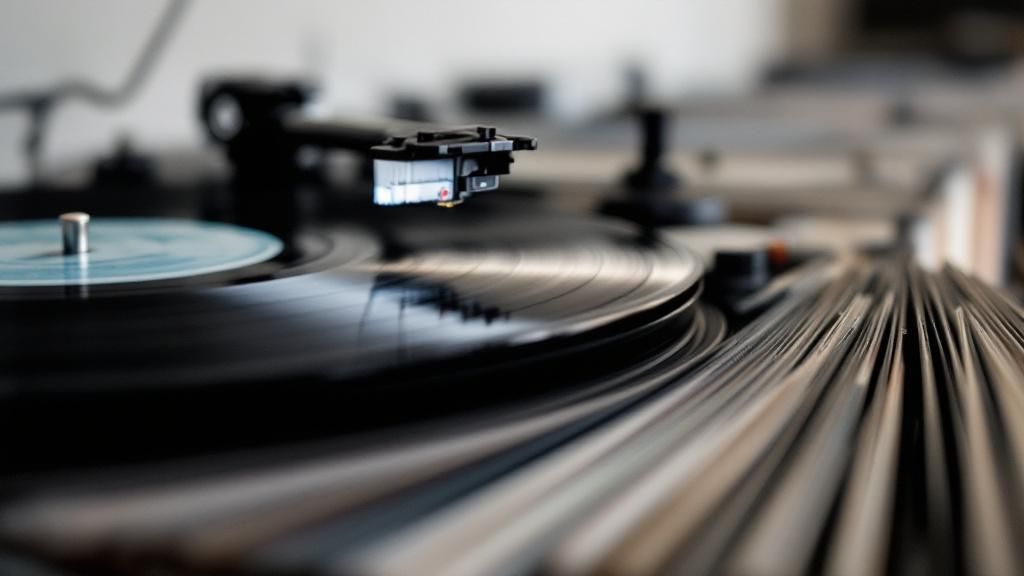
In an era centred on streaming services and digital downloads, vinyl records have made a remarkable comeback that few sector experts predicted. From independent record shops in London to passionate collectors across the globe, the analogue format is undergoing remarkable growth amongst both seasoned audiophiles and a new generation of music enthusiasts. This revival raises fascinating queries about why listeners are embracing physical media, what drives the vinyl market’s rapid expansion, and whether this retro movement represents a lasting shift in how we consume music.
The Revival of Vinyl Records
The resurgence of vinyl records represents a intriguing counter-trend to the digital streaming revolution that has influenced the music industry over the last twenty years. Record shops that once were threatened with closure have reopened their doors to thriving communities of enthusiasts, whilst new independent shops have emerged across major cities globally. This unanticipated comeback has changed vinyl from a niche hobby into a mainstream cultural phenomenon, with sales rising consistently year on year. The phenomenon surpasses mere nostalgia, indicating a genuine shift in consumer attitudes towards music consumption and the worth of physical media.
What renders this revival especially significant is its appeal across generational boundaries. Whilst veteran collectors reconnect with their cherished albums, younger listeners are experiencing vinyl for the first time, captivated by the ceremonial nature of record playback and the enhanced audio fidelity that many passionate fans endorse. Record collecting has evolved into a communal pursuit, with communal listening sessions and vinyl gatherings attracting diverse crowds. This democratisation of vinyl culture has established credibility for vinyl within contemporary music discourse, establishing it as a viable option against digital services and disrupting conventional thinking about modern consumption habits.
Why Sound professionals Choose Analogue formats
Vinyl devotees argue that vinyl records deliver a richness and warmth that digital technology cannot replicate. The analog signal encoded in vinyl grooves retains the full spectrum of sound frequencies, producing a truer listening experience. Numerous listeners report that vinyl playback delivers exceptional clarity and depth, especially in orchestral and jazz recordings. This tonal character originates from the core qualities of analog technology, which preserves continuous audio waves rather than individual digital samples.
The mechanical process of vinyl playback introduces subtle harmonic characteristics that audiophiles consider desirable. When a stylus follows vinyl grooves, it naturally produces tonal qualities that digital reproduction finds difficult to replicate. Furthermore, the absence of compression algorithms used in digital audio preservation means vinyl preserves nuances that might otherwise be overlooked. This uncompressed sound quality appeals to discerning listeners who value audio excellence above convenience, making vinyl the favoured option for critical listening sessions.
Beyond sonic qualities, vinyl records demand conscious involvement from listeners. The deliberate process of choosing a record, placing the record on a turntable, and positioning the stylus creates a conscious listening session. This deliberate interaction contrasts sharply with passive consumption, fostering greater musical understanding and connection with artists’ complete works.
Economic Growth and Economic Consequences
The vinyl record market has shown remarkable financial growth over the last ten years, with global sales volumes reaching unprecedented levels. Industry data indicate that vinyl sales have risen significantly annually, generating billions of pounds in revenue worldwide. This financial turnaround has rejuvenated independent vinyl stores, manufacturing facilities, and distribution networks that had earlier encountered contraction. Major music corporations have responded by investing heavily in vinyl output, recognising the format’s profitability and cultural significance amongst today’s listeners.
Beyond shop purchases, the vinyl renaissance has energised ancillary markets covering turntables, amplifiers, and professional audio components. Producers of premium audio equipment report increased demand as consumers purchase superior audio devices. This commercial environment has opened career prospects across manufacturing, sales, and distribution industries. The resurgence proves that physical records remains economically sustainable, contradicting previous forecasts of complete commercial decline and cementing vinyl’s status as a major force to the current music business’s economic significance.
The Future of Vinyl Records
The direction of vinyl records appears quite optimistic as market analysts anticipate sustained increases throughout the following decade. Industry experts predict that the comeback will maintain momentum through greater funding for manufacturing infrastructure, superior production standards, and expanded distribution networks. Younger demographics remain enthusiastic about vinyl as a intentional alternative to digital saturation, whilst established collectors stay dedicated to expanding their collections. Record labels are responding enthusiastically, allocating greater resources towards vinyl releases alongside digital formats, signalling confidence in the format’s longevity and commercial viability.
Advances in technology and ecological awareness are poised to shape vinyl’s long-term direction significantly. Manufacturers are investigating eco-conscious manufacturing practices, employing reclaimed content and environmentally responsible wrapping to appeal to environmentally aware consumers. Meanwhile, improvements to turntable technology and audio equipment keep improving the listening experience, attracting dedicated sound enthusiasts pursuing exceptional audio fidelity. As digital listening fatigue continues and consumers increasingly value physical, collectable formats, vinyl records appear positioned to continue as a pillar of modern musical heritage for generations to come.
