

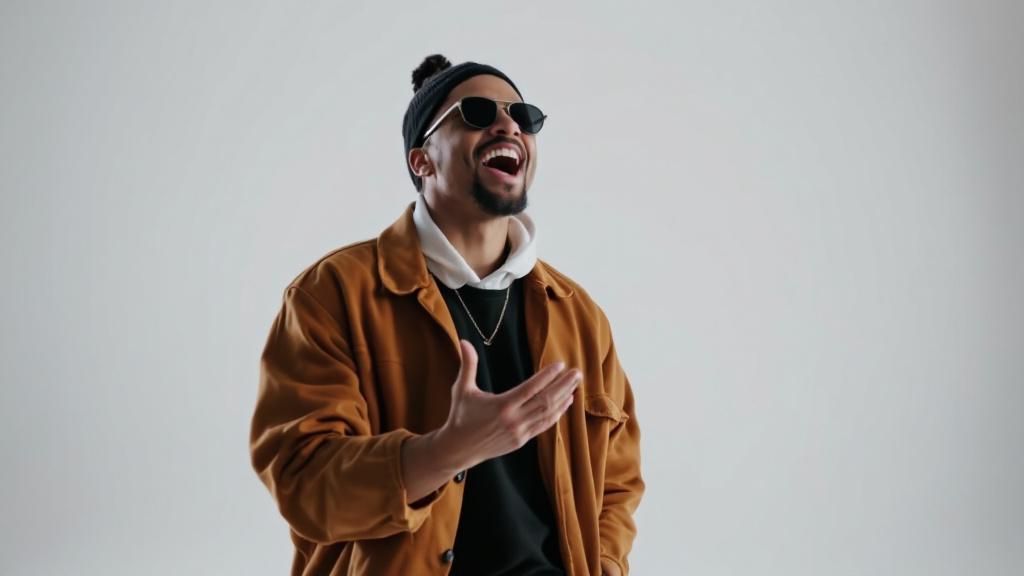
In an rapidly expanding digital space, social media has fundamentally transformed how audiences find, access, and interact with music. A celebrated musician lately disclosed frank observations into this major upheaval, investigating how platforms like TikTok, Instagram, and YouTube have reshaped the entertainment industry. From opening doors for new talent to challenging traditional record label models, social media’s influence is beyond question. This article examines the prospects and obstacles facing modern musicians, probing how they’re adjusting their methods to succeed in an era where trending clips can launch careers overnight.
The Emergence of Direct Audience Connection
Social media has fundamentally transformed the relationship between musicians and their audiences, removing established middlemen that once governed artist-fan communication. Platforms such as Instagram, TikTok, and Twitter now allow performers to share their creative journey, individual perspectives, and unreleased material to enormous fanbases without delay. This unprecedented access has fostered more meaningful bonds between artists and their supporters, transforming passive listeners into active participants who feel truly committed to an creator’s artistic evolution and career progression.
The consequences of this immediate interaction are profound and multifaceted. Artists can now collect instant responses on new material, test concepts with their listeners before public launches, and build dedicated fanbases that provide invaluable support throughout their careers. Furthermore, this opening up of channels has enabled new artists to build substantial fanbases independently, circumventing traditional barriers that conventionally shaped the music business. Consequently, the conventional balance of power between major labels and creators have shifted considerably, generating new possibilities for artistic independence and economic self-sufficiency.
Difficulties of Constant Connectivity
Whilst social media has undoubtedly opened doors for emerging artists, the unending requirement for constant content creation presents considerable obstacles. Artists now find themselves compelled to uphold an virtually uninterrupted online presence, creating captivating multimedia updates to preserve viewer attention and algorithmic favour. This pressure draws away crucial resources and focus from the creative process itself, risking damage to the quality of musical output. Furthermore, the expectation to be continuously available can impose a substantial burden on psychological wellbeing, as musicians struggle against audience judgment, negative comments, and the stress of preserving relevance in an progressively congested virtual landscape.
The algorithmic nature of social media platforms creates further challenges for artists pursuing long-term career viability. Achievement is not determined solely by talent or artistic merit; instead, it depends heavily upon grasping platform mechanics, posting schedules, and what’s trending. This lack of predictability means that even highly skilled artists can find it difficult to build momentum, whilst others achieve viral success by being novel rather than genuine artistry. Moreover, the transient nature of social media attention means that sustaining success demands constant reinvention, trapping artists caught in an exhausting cycle of adaptation and performance that frequently seems disconnected from authentic creative expression.
The Prospects of Music and Digital Platforms
The trajectory of the music industry appears fundamentally connected to the advancement of digital platforms. As artificial intelligence and machine learning keep advancing, personalised music recommendations will become increasingly sophisticated, fundamentally altering how audiences find new artists. Digital streaming providers are pouring investment into algorithmic playlist creation, which offers to broaden artist visibility further whilst concurrently generating questions about creative quality and financial feasibility. The musician highlighted that flexibility will prove essential for those seeking longevity in this swiftly evolving landscape.
Rising technologies present both remarkable possibilities and significant obstacles for contemporary musicians. VR performance experiences, decentralised royalty platforms, and NFT assets represent uncharted domains that artists are beginning to explore on a trial basis. However, the sustainability of these advances is unclear, and numerous artists voice doubt concerning their lasting prospects. The prevailing view implies that whilst experimentation is essential, maintaining authentic connections with audiences through established channels remains equally crucial for establishing enduring professional trajectories and developing true listener devotion.
Looking ahead, successful musicians will likely adopt hybrid strategies that utilise social media’s platform whilst maintaining artistic vision and creative control. The democratisation of production tools means that home-based creators now stand shoulder to shoulder with major studios, substantially transforming industry hierarchies. Nevertheless, the human factor—narrative craft, emotional impact, and authentic connection—cannot be replicated by artificial systems. The musician concluded that this equilibrium of authenticity and innovation will in the end shape the next generation of entertainment industry accomplishment.
