

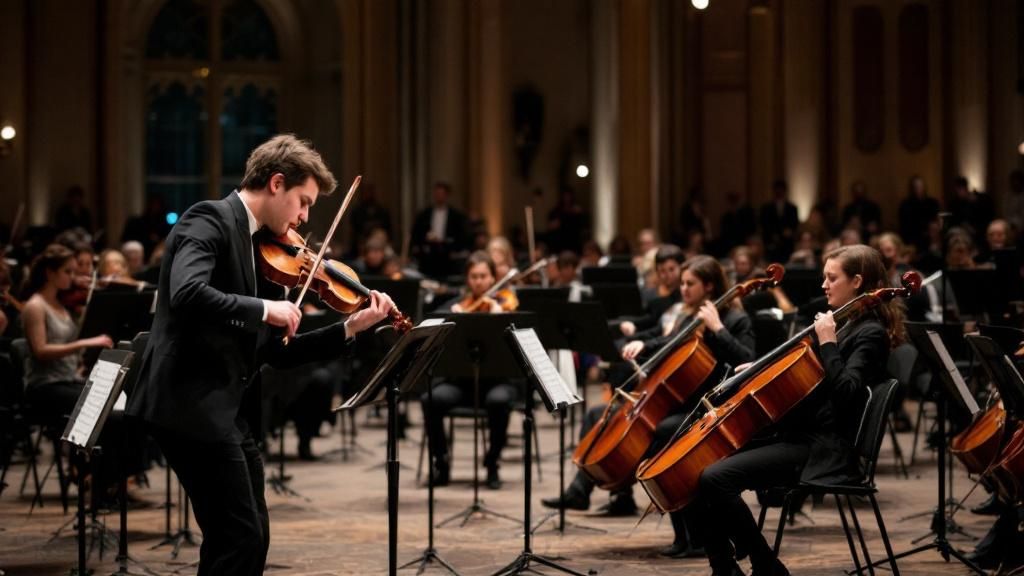
The Royal Opera House has unveiled an groundbreaking apprenticeship programme created to develop the future cohort of musical professionals. This groundbreaking initiative offers aspiring performers exceptional opportunities to world-class training, guidance and performance platforms within one of the globally renowned performing arts organisations. Explore how this transformative scheme is making more accessible musical training and creating pathways for talented individuals from various circumstances to establish successful careers in the music and theatre sector.
Programme Summary and Goals
The Royal Opera House’s new apprenticeship scheme demonstrates a significant dedication to nurturing rising musical expertise throughout the United Kingdom. Created to complement conventional conservatory education, this pioneering scheme offers emerging musicians with hands-on, practical experience within a internationally acclaimed opera house. Participants will acquire invaluable exposure to professional standards, collaborative practices, and the intricate workings of a significant cultural organisation whilst receiving structured mentorship from experienced sector experts.
Central to the programme’s philosophy is the widening of classical music education, making certain that gifted performers from disadvantaged backgrounds and marginalised groups have authentic chances to pursue careers in the music and performance sectors. The Royal Opera House understands that exceptional musicianship exists away from established channels, and this development initiative deliberately works to uncover and cultivate untapped potential that might otherwise remain undiscovered. By eliminating cost obstacles and delivering full-scale backing, the institution is creating a greater sense of inclusion for emerging artists.
The apprenticeship programme encompasses multiple core objectives designed to promoting holistic musical development. Participants will develop their technical skills through regular rehearsals, tuition with principal musicians, and dedicated coaching adapted to individual needs. Additionally, apprentices will develop crucial professional skills including ensemble playing, sight-reading, and the ability to perform successfully within challenging performance schedules, preparing them thoroughly for enduring careers in classical music.
Beyond musical training, the programme emphasises personal and professional development, providing apprentices with entrepreneurial skills and industry knowledge essential for modern performing artists. Mentorship from experienced conductors, directors, and administrators provides invaluable insights into professional progression and artistic decision-making. The Royal Opera House also facilitates networking opportunities with accomplished performers and arts professionals, forging connections that will prove invaluable throughout participants’ future careers in the competitive world of classical performance.
The apprenticeship scheme operates over a year-long period, providing adaptable options in timetabling to cater to participants’ existing commitments and educational requirements. Successful completion provides recognised qualifications and formal recognition from the Royal Opera House, substantially improving candidates’ career qualifications and employment prospects. This organised framework ensures that apprentices develop both improved musical skills and the practical experience required to secure positions within orchestras, opera companies, and other prestigious cultural organisations.
By funding emerging artists through this comprehensive development initiative, the Royal Opera House is directly influencing the trajectory of classical music in Britain. The scheme underscores the institution’s unwavering commitment to artistic achievement and cultural stewardship, acknowledging that current trainees will become subsequent key musicians, instructors, and arts advocates. This progressive initiative is set to strengthen the broader terrain of British classical music for future generations.
Qualifications and How to Apply
The Royal Opera House welcomes submissions from talented young musicians aged 16 to 25 who display exceptional potential and a sincere dedication for classical music. Prospective apprentices must have established musical qualifications or submit proof of matching experience through performance evaluation. The application process is deliberately accessible, inviting submissions from candidates across the United Kingdom, irrespective of their economic status or previous formal training pathway.
Eligibility Requirements
The selection process employs a thorough assessment framework designed to identify musicians with genuine artistic promise and the drive necessary to thrive at the Royal Opera House. Candidates are evaluated not merely on instrumental ability, but with equal weight on their musicality, artistic interpretation, and scope for artistic progression. The panel takes into account each applicant’s particular background and personal context, understanding that skill develops in varied forms across diverse populations and educational backgrounds.
Beyond musical achievement, the Royal Opera House recruits apprentices who demonstrate excellent people skills, collaborative spirit, and focus on continuous improvement. The institution prioritises inquisitiveness, perseverance, and a openness to fresh opportunities within a challenging creative context. Assessors also appraise candidates’ knowledge of opera and classical repertoire, together with their ambitions within the sector in the professional theatre and music field.
- High-level instrumental or vocal proficiency proven via formal assessment
- Evidence of regular practising and committed learning
- Effective interpersonal skills and experience working collaboratively
- Demonstrated passion for opera, classical music, and artistic expression
- Dedication to career advancement and sustained musical development
Applications must be submitted online through the Royal Opera House website, including a finished application form, CV, and supporting materials. Shortlisted candidates are invited to attend auditions conducted at the House’s London location, where they perform prepared pieces and take part in interview discussions. Successful candidates are advised within 8 weeks of their audition, with the apprenticeship programme starting in September annually.
Support and Career Development
Comprehensive Mentorship Structure
The apprenticeship programme offers participants with expert guidance from Royal Opera House professionals, including conductors, musicians, and production specialists. Each apprentice is paired with an experienced mentor who supports their artistic development and professional growth. This personalised approach guarantees young musicians gain customised assistance, helpful critique, and invaluable industry insights. The mentorship goes further than technical musical training, covering career planning, audition preparation, and managing the demanding environment of professional performance.
Beyond individual guidance, the programme enables regular workshops and collective training programmes where apprentices collaborate with peers and experienced practitioners. These collaborative experiences build a supportive community whilst exposing participants to varied musical approaches and professional practices. The structured support system aims to build confidence, resilience, and professional networks that will become essential throughout the apprentices’ careers in classical music and opera.
Channels for Professional Growth
Participants obtain direct entry to showcase opportunities within the Royal Opera House’s shows, training sessions, and training workshops. This direct engagement offers significant insight to professional standards and live performance contexts. Apprentices also benefit from industry contacts with industry professionals, which may result in career opportunities and joint ventures. The programme intentionally creates connections between participants and established orchestras, lyric theatres, and arts institutions across the United Kingdom.
Upon completing the apprenticeship, graduates obtain comprehensive career support services, including employment placement support and ongoing professional development resources. The Royal Opera House sustains enduring connections with alumni, providing continued mentorship and performance prospects as their careers progress. This dedication to long-term assistance ensures young musicians are well-equipped to create enduring career paths within the classical performance field, ultimately enhancing the future of classical music in Britain.
